Empowering Survivorship: Navigating the Journey Through Cancer Care and Community Support
When the diagnosis of cancer is delivered, it often feels like the world has come crashing down. For many, the word ‘cancer’ evokes an avalanche of emotions and relentless fears. But as the journey through oncology begins, there's an illuminating truth emerging: community support can transform lives in unimaginable ways. It bridges the chasm between despair and hope, weaving a tapestry of resilience that emboldens survivors to reclaim their narrative. How many times have you heard stories of triumph within the cancer community? Each tale underscores the powerful role of connection, proving that while the challenge is daunting, the strength found in togetherness is formidable.
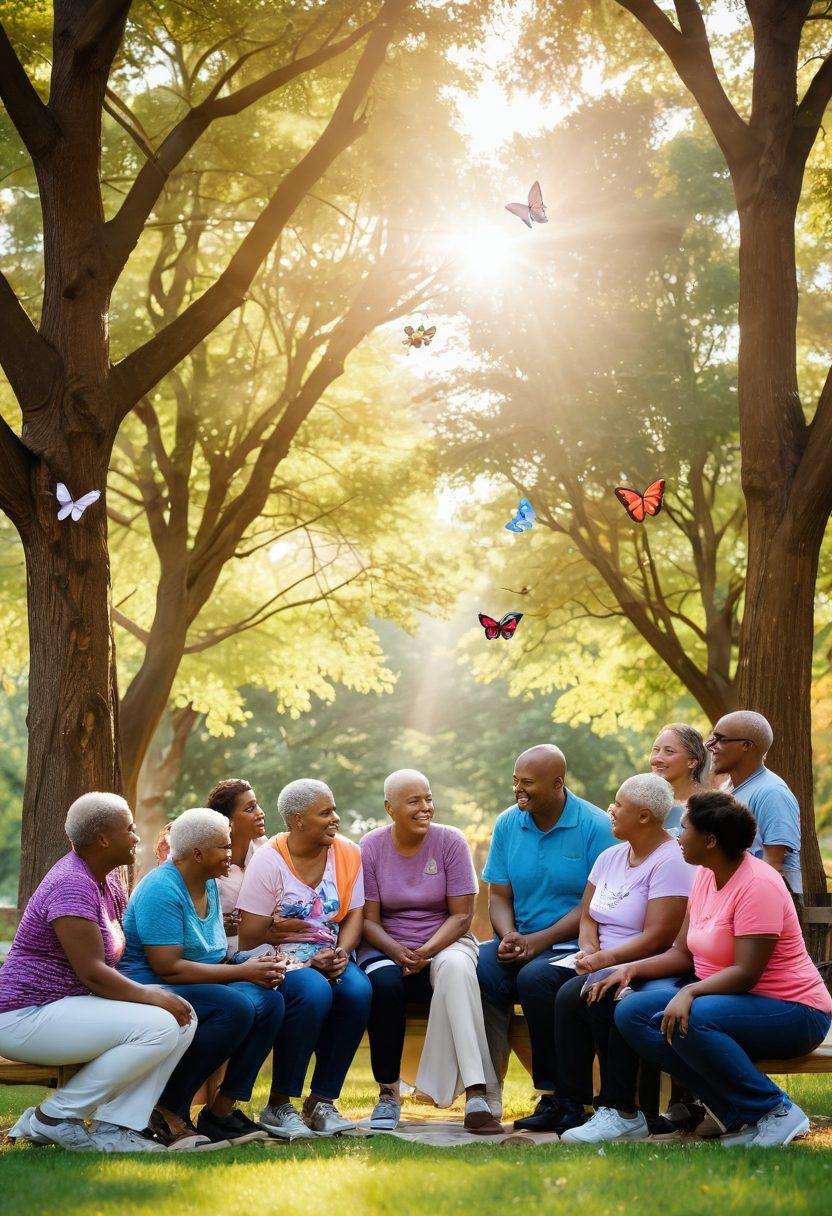
As one navigates the often intricate world of treatment—be it radiation therapy, chemotherapy, or immunotherapy—the journey can feel isolating. However, the support from fellow survivors, families, and support groups mitigates that isolation. Picture a gathering of individuals sharing their personal stories within a community support group, laughter resonating amidst tales of resilience. It's here where the importance of patient support shines; where shared experiences become healing balm, enabling emotional expression and genuine understanding. How could we underestimate the significance of being heard?
When discussing cancer survivorship, we can't overlook the relationship between mental health and cancer. It's no secret that the emotional aftermath of battling a neoplasm can be as taxing as the physical challenges of treatment. This is especially true when faced with the harsh reality of cancer statistics that can soar to alarming heights. Engaging in health education about symptom management and the role of lifestyle modifications can tip the scales towards recovery. After all, a holistic health approach to wellness—integrating nutrition and cancer awareness—can serve as a vital resource for cancer patients striving to achieve balance in their lives.
Moreover, the transition into survivorship often comes with new hurdles, making the presence of community support crucial. Many survivors report feeling overwhelmed as they navigate a new normal; that's where cancer advocacy can step in. Whether it’s joining clinical trials for the latest cancer therapies or accessing essential palliative care resources, survivors can benefit from collective knowledge and shared resources within the cancer community. When was the last time you sought advice from a fellow survivor? Often, a simple conversation can shed light on new paths to healing and well-being.
Ultimately, empowerment in cancer survivorship is an ongoing journey, one that thrives on communication and compassion between doctors and patients. The journey through oncological care is not merely about managing the tumor but embraces the broader narrative of living with cancer. Continue to seek out support groups and engage in discussions that promote wellness, advocacy, and lifestyle modifications. The strength found in community not only enhances resilience but paves the way for a more enriching, vibrant life post-diagnosis. Remember: every story shared and every connection made can ignite the spark of hope needed to transform lives.
Navigating Treatment Options: From Chemotherapy to Immunotherapy and Beyond
Navigating the often turbulent waters of cancer treatment can feel like embarking on a daunting sea voyage, filled with uncertainty and the unknown. How do you choose the right path when faced with an array of treatment options? From traditional chemotherapy to innovative immunotherapy and beyond, the landscape of oncology is constantly evolving, offering new hope and possibilities for those facing a diagnosis of carcinoma. As a cancer patient or a caregiver, understanding these choices and navigating them with confidence is crucial for your journey toward wellness and survivorship.
Imagine standing at a crossroads with a multitude of signs pointing in every direction. Each sign represents a different treatment option, such as chemotherapy, immunotherapy, or radiation therapy. So, how do you know which road to take? One of the first steps in this journey is to engage in meaningful doctor-patient communication. Open discussions with healthcare professionals not only provide insight into each oncological care option but also empower patients to take charge of their treatment decisions. What questions should you ask your physician? Aim to explore the risks, benefits, and what you can expect throughout the treatment journey. Never underestimate the power of being proactive in your health education!
As we dive deeper into this intricate world of cancer therapies, let's take a moment to spotlight immunotherapy. This groundbreaking approach utilizes the body's own immune system to fight tumors, and for many, it represents a beacon of hope. With evolving research and clinical trials consistently emerging, patients now have more options than ever before. But what if you were to examine your own lifestyle modifications? For instance, focusing on nutrition and cancer can significantly impact your body's ability to cope with treatment. Have you thought about how certain foods could support your wellness journey?
Cancer prevention extends beyond just spotting symptoms or understanding treatment options; it also involves a holistic view of your life. Support groups within the cancer community can be invaluable during this time. They offer not only sharing resources for cancer patients but also a safe space to discuss the emotional toll that a diagnosis can take. Mental health is just as essential as managing physical symptoms. How do you continue to find joy and maintain a fulfilling life amidst treatment? Exploring palliative care and embracing a holistic health approach can enhance your overall quality of life through this challenging time.
In conclusion, optimally navigating treatment options for cancer involves understanding the significance of personal agency and support. The journey does not have to be traversed alone—leaning on cancer advocacy and engaging with various resources can be tremendously helpful. Remember, you are a survivor, and your story is still being written. Embrace the uncertainties, ask the hard questions, and surround yourself with those who champion your health. The road through cancer treatment and beyond may be arduous, but it can lead to remarkable destinations of healing and growth. Are you ready to embark on this empowering journey?
Empowering Patients: Strategies for Wellness and Resilience in Cancer Care
In the brave journey of navigating cancer, the concept of empowerment plays a significant role. Patients often find themselves at a crossroads, facing not only the physical threats posed by carcinomas and neoplasms but also emotional and psychological challenges. Just imagine a world where patients aren’t merely recipients of treatment but are active participants in their cancer care strategy. Yes, this empowerment is absolutely possible! With the right strategies at their disposal, individuals can manage their own wellness and resilience, creating a path that leads toward survivorship.
The first step in empowering patients is prioritizing open communication. Imagine walking into your oncology appointment and feeling fully prepared to discuss everything — from radiation therapy to immunotherapy options. Well, that's achievable through effective doctor-patient communication, where questions are welcomed and information flows both ways. How can patients ensure they are getting the care they need? It's as simple as preparing a list of questions before each appointment and seeking clarity on treatment options, symptom management, and even the latest clinical trials that might fit their unique situations.
Nutrition and lifestyle modifications play an integral role in the wellness strategies of cancer patients. After all, have you ever heard the saying, 'You are what you eat'? This couldn't be truer in the context of living with cancer. By focusing on nutrition and cancer, patients can significantly improve their overall well-being. Incorporating holistic health practices, including diet improvements and regular physical activity, can aid in supporting the body through chemotherapy, radiation therapy, or even palliative care. It's not just about fighting the disease; it's about nurturing your body and mind to foster resilience.
In addition to lifestyle changes and nutrition, community support remains a cornerstone for patients navigating cancer care. The cancer community can be a source of strength and hope through support groups and shared experiences. Engaging with resources for cancer patients, whether through local organizations or online forums, can significantly reduce feelings of isolation. Have you ever found strength in hearing someone else’s story? These shared narratives not only provide emotional solace but can offer practical advice about cancer prevention and survivorship strategies.
Lastly, cancer advocacy cannot be overlooked. Empowering patients means empowering them to advocate for themselves within the healthcare system. As we face the daunting cancer statistics that tell us about the growing number of individuals battling cancer, it's crucial to foster an environment where patients are encouraged to voice their needs and concerns. From participating in support groups to accessing health education, every action taken is a step closer to resilience. Together, by harnessing individual strength and community support, we can redefine what it means to thrive in the face of cancer.